

Starting any new medication can feel like a big step. When it's for ADHD, that often comes with a blend of hope and a fair bit of uncertainty about side effects. It’s completely normal to have questions, especially if you are also autistic. The most common things people notice are a dip in appetite, some trouble sleeping, and maybe some mood swings. For most, these are temporary hurdles that get smaller as your body adjusts, but for those with co-occurring autism, these sensations can be much more intense.
Knowing what to expect is the best way to feel in control and ready for a successful treatment journey that respects your unique neurotype.
Understanding Your ADHD Medication Journey

Deciding to start treatment for Attention-Deficit/Hyperactivity Disorder (ADHD) is a significant, personal choice, and it's even more nuanced when autism is part of your profile. Think of this guide as your companion, here to give you clear, practical insights so you can move forward with confidence. We’ll walk through the landscape of ADHD treatment, focusing on stimulant and non-stimulant medications, with a special emphasis on the AuDHD experience.
It helps to think of ADHD medication as a tool. It's designed to help re-tune your brain chemistry, sharpening focus and steadying impulse control. But like any adjustment, it can take your body a little while to get used to the new normal, and that’s when side effects can pop up. This is a very common part of the process, and it’s important to remember that most side effects aren’t here to stay. They can almost always be managed with the right support from your healthcare team.
The Two Main Paths of Treatment
ADHD treatments typically follow one of two paths. Each works differently, which means they come with their own set of potential side effects. Getting to grips with these differences is the first step in understanding what you might experience.
- Stimulant Medications: In the UK, these are usually the first port of call. This category includes drugs like methylphenidate (e.g., Ritalin, Concerta) and lisdexamfetamine (Elvanse). They work by boosting the levels of key brain chemicals, and their effects are usually felt quite quickly.
- Non-Stimulant Medications: For those who don't get on with stimulants, or if they aren't effective, non-stimulants like atomoxetine (Strattera) are a great alternative. They work more subtly and their full effect builds up over a few weeks. This slower onset can sometimes be a better fit for autistic individuals who are sensitive to sudden internal changes.
If you want to get into the nitty-gritty of what’s available, our detailed guide on ADHD medication for adults in the UK is a fantastic resource to read before your clinical consultations.
Special Considerations for Autism and ADHD (AuDHD)
It’s particularly important to recognise that autistic individuals can have a different experience with ADHD medication. There's often a heightened sensitivity to its effects, which can sometimes amplify side effects like anxiety or irritability, partly due to differences in sensory processing and interoception (the sense of the internal state of the body). A subtle side effect for a neurotypical person might feel overwhelming for someone with AuDHD.
Because of this potential for increased sensitivity, a cautious and thoughtful approach is absolutely essential. The golden rule is to 'start low and go slow.' Treatment begins with the smallest possible dose, which is then increased very gradually, all while keeping a close eye on how the person is responding, both verbally and through behavioural changes.
This careful process, known as titration, is key to minimising unwanted effects and finding that sweet spot—the dose that delivers real benefits without causing discomfort or sensory overload. By understanding these nuances from the get-go, individuals, their families, and clinicians can collaborate on a treatment plan that feels both supportive and effective. Our aim is to give you this knowledge so you feel prepared and reassured as you take the next step.
Common Side Effects of Stimulant Medications

In the UK, stimulant medications like methylphenidate (found in brands like Ritalin and Concerta) and lisdexamfetamine (Elvanse) are typically the first port of call for treating ADHD. They work by boosting key brain chemicals, which can dramatically improve focus and dial down impulsivity and hyperactivity. While they can be a game-changer for many, it's also true that they can bring a few predictable challenges as your body gets used to them.
I like to think of it as turning up the idle on a car engine. The engine runs more efficiently and is ready to spring into action, but it also burns a bit more fuel and runs a little hotter. In the same way, stimulants get your brain's "engine" running more smoothly, but this extra activity can lead to a handful of common side effects. For someone with autism, this internal "engine running hotter" can feel particularly intense and dysregulating.
This isn't to cause alarm, but to empower you. Knowing what these side effects look and feel like is the first step towards managing them effectively with your clinician. Spotting these signs early on helps to normalise the adjustment period and sets you up for the practical strategies we’ll get into later.
Appetite Loss and Weight Changes
One of the most common adhd medication side effects people report is a significant drop in appetite. You might suddenly realise it’s 3 PM and you haven't eaten, or you might feel full after just a few bites of your lunch. For many, food just loses its appeal while the medication is active. This can be especially challenging for autistic individuals who may already have sensory-related food aversions or a very specific diet (safe foods).
This happens because the stimulant can mute the hunger signals your brain normally sends out. The effect is often strongest mid-day, leading to a "rebound" hunger that hits like a ton of bricks in the evening as the medication wears off. While a minor inconvenience for some, consistent appetite loss can lead to unwanted weight loss and nutritional issues, so it's something to keep a close eye on.
Sleep Difficulties and Insomnia
Another frequent hurdle is trouble with sleep. It makes sense, really—a medication designed to increase alertness can sometimes make it harder to wind down at night. This can be particularly disruptive for autistic people, who often already struggle with sleep regulation and benefit greatly from predictable routines. This can show up in a few different ways:
- Trouble Falling Asleep: You might lie in bed feeling a bit too "switched on," your mind racing even when you're desperate to sleep.
- Restless Sleep: Some people find they wake up more often during the night or that their sleep feels lighter and less refreshing than usual.
- Waking Up Too Early: You might find yourself wide awake hours before your alarm, with no hope of getting back to sleep.
Often, these sleep issues are linked to the timing and type of medication. A long-acting formula taken too late in the afternoon, for instance, is a classic recipe for a restless night.
A huge part of successful ADHD treatment is striking the right balance between the benefits and the side effects. Here in the UK, clinicians and patients work closely to monitor common issues like appetite loss, sleep disruption, and changes in heart rate. Tweaking the dose timing and building solid health routines are standard practice to get the best possible results. For more on this, you can discover more insights about managing medication for adult ADHD from UK specialists.
Mood Shifts and Emotional Changes
While stimulants help many people feel more emotionally stable, some experience the exact opposite, especially when first starting out. You might find yourself feeling more irritable, anxious, or just generally more emotionally sensitive than you're used to. For someone with AuDHD, this can manifest as an increase in meltdowns or shutdowns.
This can be especially noticeable as the medication wears off in the afternoon or evening, a phenomenon sometimes called "rebound." As the stimulant's effects fade, you might get a brief, intense return of your ADHD symptoms, often coupled with irritability or a low mood. It’s like the gentle hum of an engine suddenly cutting out, leaving a jarring silence that feels really unsettling, particularly for those who find comfort in consistency.
Keeping a log of these mood shifts can be incredibly helpful for your clinician. Sometimes, a simple fix—like adjusting the dose or switching from a short-acting to a long-acting version—can smooth out these emotional peaks and troughs. The most important thing is to recognise that these feelings are a potential side effect, not a personal failing.
Common Stimulant Side Effects and Initial Management Tips
This table breaks down the most frequent side effects of stimulant medications, what they might look like in your daily life, and some simple, practical strategies to discuss with your clinician.
| Side Effect | What It Looks Like | Initial Management Strategy |
|---|---|---|
| Appetite Loss | Forgetting to eat, feeling full quickly, finding food unappealing during the day. Can worsen sensory food aversions. | Eat a nutrient-dense breakfast before your morning dose. Plan small, high-protein snacks or safe foods throughout the day. |
| Insomnia | Trouble falling asleep, waking frequently, feeling "wired" at bedtime. Disrupts established sleep routines. | Take medication as early in the morning as possible. Reinforce a consistent sleep hygiene routine (no screens before bed, cool dark room). |
| Irritability/Moodiness | Feeling short-tempered, anxious, or sad, especially as the medication wears off. Can present as increased meltdowns. | Discuss "rebound" effects with your doctor; a dose adjustment or different formulation (e.g., long-acting) might help. |
| Headaches | Mild to moderate headaches, often in the first few weeks of starting or after a dose increase. | Ensure you're staying well-hydrated. Take the medication with food to slow its absorption. |
| Dry Mouth | A persistent feeling of thirst or a "cotton mouth" sensation. Can be a distressing sensory experience. | Sip water throughout the day. Sugar-free gum or sweets can also help stimulate saliva production. |
Remember, these are just starting points. The goal is always to work in partnership with your healthcare provider to fine-tune your treatment plan for the best possible outcome.
Navigating the World of Non-Stimulant Medications
For some, stimulant medications just don't click. Maybe the side effects were too much, or they didn't provide the focus needed, or perhaps a pre-existing health condition made them a no-go. This is where non-stimulants step in, and they can be a particularly valuable option for individuals with AuDHD who find stimulants too activating.
Think of it like this: stimulants often feel like flipping a light switch – the effect is fast and noticeable. Non-stimulants are more like a dimmer switch being turned up slowly. Their full benefit builds gradually over weeks, not hours. This slower, steadier approach can be much gentler on the system and less disruptive to sensory sensitivities, but it does require a bit of patience.
Knowing what to expect is half the battle. It allows you to have a more informed conversation with your doctor and helps you navigate those first few weeks with confidence, understanding what’s a normal adjustment and what might need a second look.
What to Expect When Starting Non-Stimulants
In the UK, the most commonly prescribed non-stimulant is atomoxetine (you might know it as Strattera). Unlike stimulants, which mainly work on dopamine, atomoxetine focuses on increasing noradrenaline, a neurotransmitter that’s vital for attention and impulse control. Because it fine-tunes brain chemistry in a more gradual way, the initial side effects are usually just your body getting used to this new normal.
During the first few weeks, it's pretty common to run into things like:
- Drowsiness or Fatigue: You might feel a bit wiped out as your system adapts.
- Nausea or an Upset Stomach: Taking your dose with food is a simple trick that often solves this.
- Dizziness: This is typically mild and tends to ease off once your body gets accustomed to the medication.
These initial hurdles can feel a bit off-putting, I get it. But for most people, they fade into the background after the first couple of weeks. It’s a bit like breaking in a new pair of walking boots – a little uncomfortable at first, but soon they become the supportive fit you were looking for.
Getting a Handle on Drowsiness and Nausea
Feeling drowsy from a medication meant to help you focus can feel completely backwards. It happens because of how noradrenaline interacts with the body's alertness systems. For some, this is a short-lived phase, but for others, a simple change like taking the medication in the evening instead of the morning can be a game-changer, especially if it supports a more regular sleep schedule.
Nausea is another one that pops up frequently. Our gut is surprisingly sensitive to changes in brain chemistry, and a new medication can throw things off-kilter for a short while. Studies show that a notable minority of people feel some stomach upset when they first start atomoxetine.
It's crucial to grasp that the side effect profile for non-stimulants is a different beast entirely from stimulants. Where stimulants might make you feel jittery or disrupt your sleep, non-stimulants are more likely to cause sedation or digestive issues at the start. For some autistic individuals, this calming effect can be a positive, reducing anxiety alongside ADHD symptoms.
Keeping your clinician in the loop about these experiences is so important. They can offer practical tips, like splitting the dose or tweaking meal times, to help you get through the adjustment period much more comfortably.
Other Side Effects to Keep on Your Radar
Once you're past the initial settling-in period, there are a few other potential side effects worth knowing about. They aren't as common, but they should still be part of the ongoing conversation you have with your healthcare provider.
- Changes in Mood: A small number of people report feeling emotionally a bit flat or notice some mood swings.
- Dry Mouth: Just like with stimulants, staying on top of your water intake usually keeps this in check.
- Reduced Libido: Some adults find their sex drive takes a dip.
- Urinary Hesitation: This is a rare one, but some people might find it difficult to start urinating or feel like their bladder isn't fully empty.
This list might look a bit intimidating, but please remember that most people either have no side effects or find them very mild. The whole point of careful medication management is to find that sweet spot where the benefits to your ADHD symptoms far outweigh any minimal and manageable side effects. That’s achieved through close collaboration and monitoring with your specialist.
Serious Side Effects and Protecting Your Cardiovascular Health
While most side effects from ADHD medication are mild and easy to manage, it's smart to know about the less common, more serious risks. This isn't about causing alarm; it's about being an informed, active participant in your own healthcare. The main things to keep an eye on are cardiovascular health, along with some very rare psychiatric or allergic reactions.
Stimulant medications get your central nervous system primed for action. That's what helps with focus, but it also puts a little extra demand on your heart. You can think of it as keeping your body in a state of low-level readiness, almost like a slow, steady drip of adrenaline. This can lead to a small but consistent increase in your heart rate and blood pressure. This internal feeling of being 'on alert' can sometimes be mistaken for anxiety, which is an important distinction for autistic individuals to make with their clinician.
For the majority of people with a healthy heart, this slight increase is perfectly fine. The real issue arises if there's an undiagnosed heart condition lurking beneath the surface, where that extra strain could pose a risk. This is exactly why a thorough health screening before you start treatment isn't just a box-ticking exercise—it's a crucial safety measure.
Why Cardiovascular Screening and Monitoring Are Non-Negotiable
Before you ever fill a prescription, your clinician will perform a baseline health check. It’s a vital step to confirm your heart is in good shape for the medication. This screening usually involves checking your blood pressure and heart rate, as well as a detailed chat about your personal and family medical history to flag any potential heart-related concerns.
And the monitoring doesn't stop there. Once you start your treatment, regular check-ups are essential to track your cardiovascular metrics over time. This ongoing vigilance means your doctor can spot any worrying trends early on and adjust your treatment plan, keeping your long-term health as the number one priority.
UK-based research has delved into these effects. Studies confirm that while ADHD medications can cause small, statistically significant rises in blood pressure and heart rate, the benefits of treatment are generally considered to outweigh these risks with proper monitoring. One study highlighted that long-term use was associated with a 23% increased risk of cardiovascular disease, which really drives home the need for continuous, long-term monitoring. You can read the full research about these UK findings to get a deeper understanding of the data.
Recognising Rare Psychiatric Side Effects
In very rare cases, stimulants can trigger or worsen certain psychiatric symptoms. It's incredibly important to know what these signs look like so you can get help straight away. While highly uncommon, they must be taken seriously.
Remember, serious side effects are the exception, not the rule. We discuss them so you're fully informed and can act quickly if needed. This turns worry into confident self-advocacy.
Key warning signs to watch for include:
- New or Worsening Psychosis: This might involve hearing or seeing things that aren’t there (hallucinations) or developing powerful, irrational beliefs (delusions).
- Severe Anxiety or Panic Attacks: While a bit of anxiety can be a common side effect, a sudden onset of intense, overwhelming anxiety or panic is a major red flag.
- Mania or Hypomania: Look for an unusually elevated mood, racing thoughts, a much-reduced need for sleep, and impulsive behaviour. This is a particular concern for individuals who may have an underlying vulnerability to bipolar disorder.
If you or someone you know experiences any of these symptoms after starting ADHD medication, it's crucial to contact your doctor or a medical professional immediately.
When to Seek Immediate Medical Help
Finally, a few side effects are genuine medical emergencies. They are exceptionally rare, but knowing how to spot them is part of taking your treatment seriously.
An allergic reaction (anaphylaxis) is a critical one. Signs include:
- Difficulty breathing or swelling of the face, lips, tongue, or throat.
- A skin rash, hives, or severe itching.
- A very fast heartbeat, dizziness, or fainting.
Another serious sign is chest pain, shortness of breath, or fainting, as these could signal a major cardiovascular event. If any of these symptoms appear, you need to seek emergency medical care without a moment's hesitation. Being aware of these possibilities allows you to manage your treatment journey safely and confidently, knowing exactly what to look for and when to act.
Managing Medication for Autism and ADHD (AuDHD)
When ADHD and autism overlap, finding the right medication isn't always straightforward. This combination, which many people call AuDHD, brings its own unique set of challenges. The standard approach to treating ADHD often needs a more considered, nuanced touch because an individual's neurotype completely changes how they might react to treatment.
Think of it like tuning a highly sensitive musical instrument. A tiny adjustment that works perfectly for one might sound jarring or completely out of tune on another. In the same way, a standard dose of an ADHD medication could feel completely overwhelming for someone with the heightened sensory processing that's so common in autism.
Getting this right is all about honouring the person's complete neurological profile and finding a treatment plan that feels genuinely supportive.
Heightened Sensitivities and Side Effects
A core feature of autism is a different way of processing the world. Sights can be brighter, sounds louder, and the body's internal signals much more intense. This heightened awareness has a direct impact on how someone experiences adhd medication side effects.
Common, often mild side effects like a slightly faster heart rate, a dry mouth, or a touch of anxiety can feel much more intense and distressing for an autistic person. A sensation that one person might not even register could feel like an overwhelming physical event to another, sparking serious discomfort or sensory overload.
For instance, that internal 'jittery' feeling some people get from stimulants can be amplified, sometimes leading to more intense stimming, irritability, or even a full-blown meltdown. It’s not that the medication is stronger, but that the person’s perception of what it’s doing is dialled way up.
The 'Start Low and Go Slow' Philosophy
Because of this potential for heightened sensitivity, the absolute golden rule for prescribing medication for AuDHD is to "start low, go slow." This careful process, called titration, isn't just a good idea—it's a critical safety measure.
Treatment should always begin with the lowest possible therapeutic dose. From there, it's increased in tiny, gradual steps over a longer timeframe than is typical, leaving plenty of room to observe the effects.
This patient, methodical approach is the best way to avoid overwhelming the system. It gives both the individual and their clinician the chance to carefully assess how each small adjustment is landing, letting them find that sweet spot where the benefits are at their peak and the side effects are minimal. This careful management is central to the services we provide, including access to safe and monitored private prescriptions online.
Observing and Communicating Side Effects
Good monitoring hinges on clear communication, which can be tricky if someone is non-verbal, struggles to identify their own emotions (alexithymia), or simply communicates in a different way. This means caregivers and clinicians need to become skilled detectives, looking beyond spoken words to truly understand how the medication feels.
It's vital to watch for behavioural clues that could signal a negative side effect. These non-verbal signs are every bit as important as a verbal complaint.
- Changes in Stimming: A sudden increase in repetitive movements or vocalisations might be a sign of rising anxiety or internal unease.
- Increased Irritability or Agitation: A much shorter fuse or more frequent meltdowns could be a direct result of the medication impacting mood.
- Sleep Pattern Disruption: If settling down at night becomes a bigger struggle or they're waking up more often, the medication could be the culprit.
- Changes in Eating Habits: A new refusal to eat even preferred foods can be a red flag for significant appetite suppression or nausea.
By tuning into these shifts in behaviour, we can make sure that different communication styles don't get in the way of safe and effective treatment. It’s this compassionate, well-informed perspective that makes all the difference in helping autistic individuals with ADHD find a medication plan that truly works for them.
Your Toolkit for Managing Common Side Effects
Dealing with side effects can feel like a setback, but it’s rarely a sign that your treatment has failed. It’s better to think of it as the start of a fine-tuning process. This section is your practical action plan, a toolbox of proven strategies you can discuss with your clinician to get your treatment journey onto a smoother, more sustainable path.
By getting involved, you stop being a passive recipient of medication and become an active partner in your own care. Taking these concrete steps can iron out the initial bumps in the road, making the whole experience feel more comfortable. It's also worth remembering that many non-medical approaches offer fantastic support; you can read more about how to manage ADHD without medication in our dedicated guide.
Taming Appetite Loss
If your appetite vanishes during the day, the trick is to get strategic with your eating. A nutrient-dense, high-protein breakfast before your morning dose can make a huge difference and set you up for the hours ahead. It’s also a good idea to keep small, healthy snacks like nuts, yoghurt, or protein bars within easy reach to graze on, even when you don’t feel particularly hungry. For those with AuDHD, this might mean relying on 'safe foods' during the day.
Many people find their appetite returns with a vengeance as the medication wears off in the evening. Don’t worry about this. It's perfectly fine to have your main meal later in the day, as long as you're getting the overall nutrition you need.
Solving Sleep Problems
Is your mind still racing when your head hits the pillow? Trouble winding down at night is a really common complaint. The first and most important step is to review your medication schedule with your doctor. Simply taking your dose as early in the day as possible can often solve the problem by preventing it from interfering with sleep.
Practising good sleep hygiene is also absolutely crucial, especially for autistic individuals who thrive on routine. This isn’t as complicated as it sounds; it just means:
- Creating a relaxing bedtime routine that signals to your brain it’s time to switch off.
- Making sure your bedroom is dark, cool, and quiet, possibly using blackout curtains or white noise machines to manage sensory input.
- Avoiding screens—that means phones, tablets, and TVs—for at least an hour before bed.
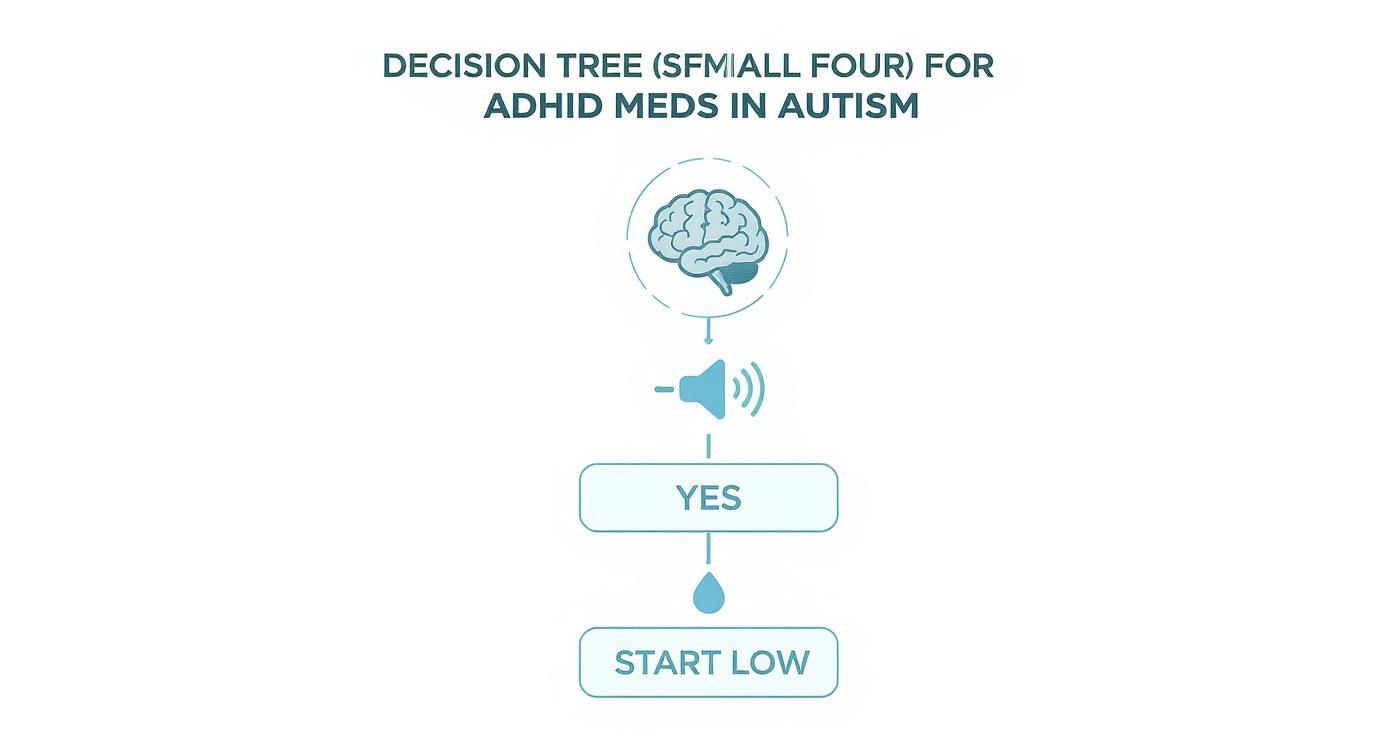
This simple decision tree illustrates a typical starting point for clinicians, especially when considering medication for people who might have heightened sensitivities. The key takeaway is the importance of a cautious "start low, go slow" approach—a cornerstone of safe medication management for anyone, but particularly for those with co-occurring autism.
Monitoring Mood and Safety
If you’re experiencing mood swings or unusual irritability, keeping a simple daily log can be incredibly revealing. Just jot down when you feel a change in your mood and what time you took your medication. This can help your doctor spot patterns, like a "rebound" effect as the dose wears off, and decide whether adjusting the timing or switching to a longer-acting formula might help.
While most side effects are manageable with a few tweaks, safety monitoring is a non-negotiable part of the process in the UK. Data from 2010-2019 showed that while overall reports of serious adverse drug reactions (ADRs) for ADHD drugs went down, the trends varied a lot between different medications. For instance, in 2019, guanfacine had the highest rate with 462 ADRs per million items, while methylphenidate had the lowest at just 39. This really underscores why personalised, careful oversight is so important.
Frequently Asked Questions About Side Effects
Even with a solid overview, you're bound to have more specific questions when you start navigating the world of ADHD medication, particularly from an AuDHD perspective. Let’s tackle some of the most common practical concerns.
Are The Side Effects Of ADHD Medication Permanent?
For the overwhelming majority of people, the answer is no. Common side effects are almost always temporary, popping up when the medication is active in your system and fading as it wears off each day.
Things like a reduced appetite or trouble drifting off to sleep are typically manageable and will stop completely if you and your doctor decide to discontinue the medication. While very rare, long-term effects are a possibility, which is precisely why consistent monitoring, especially of your heart health, is a non-negotiable part of treatment.
How Long Does It Take To Get Used To ADHD Medication?
It's completely normal to go through an adjustment period. Think of it like breaking in a new pair of shoes. Many of the initial, milder side effects—a bit of a headache or an unsettled stomach—often fade away within the first few weeks as your body gets used to its new rhythm. For autistic individuals, this period may require more patience and support to manage the new internal sensations.
That said, you should never just "push through" side effects that are genuinely distressing. Significant weight loss, intense mood swings, or severe insomnia are red flags. They don't mean the treatment is a failure, but they do suggest that the current dose or type of medication isn't quite right for you, and it's time to talk to your clinician.
Remember, the whole point of the titration process is to find that sweet spot: the dose that gives you the most focus and clarity with the fewest side effects. This initial adjustment phase is a vital part of that teamwork between you and your doctor.
Do Children And Adults Experience Different Side Effects?
Generally, the list of potential side effects is the same for both kids and adults, but how they show up and the impact they have can be quite different. A good example is appetite suppression; for a growing child, this can have a much bigger impact on their development, which is why we monitor their height and weight so carefully.
Adults, on the other hand, might be more attuned to and able to report more subjective side effects, like feeling emotionally "flat" or noticing shifts in their anxiety levels. Plus, adults are more likely to have other health conditions, like high blood pressure, which need to be carefully considered before starting a stimulant. When autism is a factor for any age group, the interpretation of side effects needs to account for potential sensory sensitivities and different communication styles.
Navigating treatment for ADHD, especially when it co-occurs with conditions like autism, demands real expertise. At Insight Diagnostics Global, our consultant-led team is here to provide thorough assessments, careful medication titration, and the ongoing support you need to feel confident that your treatment plan is both safe and effective. To find out more about how we can help, visit our website at https://insightdiagnostics.co.uk.