

Imagine visiting a clinician with a familiar cloud of symptoms—fatigue, sleep disturbances, persistent sadness—only to receive a label that doesn’t quite capture the root issue. Too often, patients embark on winding journeys of incorrect treatment when initial assessments fall short. This introduction explores how precise evaluation can make all the difference in guiding effective care.
Beyond the distress of mislabeling mental conditions, the broader impact on treatment efficacy cannot be overstated. For instance, estimates suggest that somewhere between 20% and 50% of individuals receive an inaccurate mental health diagnosis, which frequently leads to inappropriate care pathways and prolonged suffering ZipDo Education’s 2025 report. Such missteps delay fitting interventions and weigh heavily on both patients and providers.
One critical barrier to reliable diagnostics is the absence of a universally agreed-upon “gold standard” in psychiatry. Researchers have noted that metrics like sensitivity and specificity are rarely calculated due to this gap, making it harder to quantify the reliability of diagnostic methods PubMed analysis. Without rigorous benchmarks, subjective bias and diagnostic variability persist—even among highly trained clinicians.
Clinician characteristics also influence accuracy. A global study that examined diagnostic decisions based on case vignettes found that those with more experience and slower response times tended to achieve higher accuracy. Interestingly, this effect varied by region—faster responses correlated with lower accuracy in Asia, while slower response times in South America correlated positively with correct diagnoses PubMed: clinician demographics study. These findings highlight how cultural and cognitive factors shape mental health assessment.
Consider a patient misdiagnosed with depression when their presentation actually reflects bipolar disorder. Without clarity, treatments may inadvertently expose them to full manic episodes or delay mood-stabilizing interventions. Conversely, accurate diagnostics grounded in detailed symptom mapping pave the way for timely, targeted care—minimizing relapse risks and maximizing recovery potential.
In the unfolding discussion, you’ll discover how diagnostics in mental health are evolving, the tools transforming accuracy—from structured interviews to AI-enhanced evaluations—and actionable insights to support use of current best practices.
Many clinics are still rooted in unstructured clinical interviews, which offer flexibility but often lack consistency. Research highlights that using structured diagnostic tools like the SCID‑CV or computer-assisted CADI yields significantly higher accuracy—around 85.7% agreement with expert consensus—compared to approximately 53.8% for unstructured methods pubmed.ncbi.nlm.nih.gov. In the realm of mood and anxiety disorders, standardized interviews such as the MINI have also demonstrated more reliable detection compared to general practitioner–led assessments, with notable over-diagnosis when unstructured impressions are used pubmed.ncbi.nlm.nih.gov. These findings underscore the real-world impact of implementing clinical rigor and standardized protocols.
Recent years have seen rapid innovation in diagnostic methods that harness machine learning and AI. A systematic review reports a pooled diagnostic accuracy of roughly 85%, particularly with machine learning–based tools outperforming deep learning in psychiatric settings pubmed.ncbi.nlm.nih.gov. Multimodal models—integrating speech, linguistic patterns, and clinical data—have pushed this further; for example, a depression diagnostic system achieved an AUROC of 0.88 and F1-score of 0.75, offering better clinical utility than single-modality models arxiv.org. This demonstrates how combining diverse data streams can bolster diagnostic robustness.
AI-powered interviews grounded in structured protocols, often guided by GPT-style language models, are beginning to match or sometimes even exceed the reliability of conventional rating scales for disorders like major depression, OCD, autism, and bipolar disorder pmc.ncbi.nlm.nih.gov. Participants also reported these AI interviews to be empathic and supportive—countering fears that automation sacrifices human connection. Explainable frameworks such as the MAGI system, which replicate the logical flow of the MINI interview with transparent "psychometric chains of thought," are paving the way for AI-enhanced assessments that preserve both rigor and clarity arxiv.org.
Despite growing interest in AI tools, adoption remains cautious among mental health professionals. A qualitative study found that providers often lack confidence in integrating AI, citing the need for education, organizational readiness, and governance frameworks to support these tools effectively formative.jmir.org. Moreover, a structured review in telepsychiatry revealed that while AI shows promise in diagnostics and predictive modeling, broad implementation is hindered by ethical concerns (such as bias and accountability), limited technological maturity, and weak regulatory safeguards pubmed.ncbi.nlm.nih.gov. These insights illustrate that even the most advanced diagnostic tools must be accompanied by thoughtful adoption strategies.
By weaving together structured clinical protocols and innovative AI techniques, and by carefully navigating practical implementation challenges, emerging models of mental health diagnostics are poised to reshape both clinical workflows and patient outcomes—bridging the gap between precision and compassion.

Recent research reveals both progress and persistent challenges in diagnostic accuracy. In primary care, providers misidentify conditions like depression or anxiety in over 60% of cases, emphasizing the urgency for more reliable tools and early intervention strategies (AI‑Powered Early Diagnosis of Mental Health Disorders). Remarkably, machine learning models achieved more than 80% overall accuracy for detecting disorders such as PTSD, where some models reached up to 89% accuracy and 98% recall (Zhu et al., 2025).
A notable study comparing large language models (LLMs) found that GPT‑4 and its optimized sibling GPT‑4o achieved psychiatric MCQ accuracies of 84% and 87.3%, respectively, far surpassing GPT‑3.5’s 58% performance. Response consistency further correlated strongly with accuracy, strengthening confidence in AI-supported evaluations (Journal of Medical Internet Research, 2025).
Structured diagnostic tools remain critical. The CES‑D depression scale demonstrated a pooled sensitivity of 0.87 and specificity of 0.70 across 10,617 participants, with the area under the ROC curve (AUC) around 0.87, solidifying its validity in screening contexts (U.S. Preventive Services Task Force review). Meanwhile, computerized adaptive tools (CAT‑MH) evaluated in a U.S. primary care clinic showed similar or better diagnostic accuracy than standard screening instruments: the CAT‑MDD achieved an AUC of 0.85 versus PHQ‑9’s 0.84, and the CAT‑Anxiety Inventory reached an AUC of 0.93, nearly matching GAD‑7’s 0.97 (PubMed study).
Despite advancements, misdiagnosis remains a substantial issue. Estimates indicate that 20–50% of mental health diagnoses may be inaccurate, with bipolar disorder often misdiagnosed as depression in nearly 60% of initial cases. Comorbid conditions frequently compound these challenges, and inappropriate treatments result in about 40% of cases (ZIPDO Education Report, 2025).
These findings underscore that sensitive and specific screening tools, whether traditional questionnaires or adaptive digital instruments, are essential but not sufficient. Clinicians must interpret results contextually, aware of symptom overlap and the risk of over- or under-diagnosis. Emerging AI tools present promising accuracy enhancements, yet their integration should complement—not replace—clinician judgment.
Building on the need for contextual interpretation, a powerful evolution in clinician support is the integration of laboratory data with AI-powered reasoning. A recent AHRQ‑funded study demonstrates that including lab results such as liver function tests and toxicology panels significantly improved diagnostic accuracy—boosting Top‑1 accuracy by up to 30%, with GPT‑4 achieving 55% Top‑1 accuracy and 79% lenient accuracy when lab data was available Agency for Healthcare Research and Quality.
Meanwhile, implementations of AI tools in clinical environments yield promising outcomes. At primary care clinics in Nairobi, the AI Consult system was deployed silently alongside clinicians, offering real-time feedback. This resulted in a 16% reduction in diagnostic errors and a 13% drop in treatment errors—showcasing how AI can serve as an unobtrusive, educational co‑pilot rather than a replacement Time / OpenAI & Penda Health Study.
In contrast, laboratory-style evaluations like Microsoft’s MAI‑DxO—orchestrating multiple large language models—demonstrated remarkable accuracy: up to 85% accuracy compared to physicians' 20% on complex New England Journal of Medicine case challenges, with potential cost reductions Business Insider.
However, these impressive figures are tempered by caution. Simulated benchmarks lack the variability inherent in live clinical settings, including patient communication differences, comorbidities, and system biases. A revealing study found clinician accuracy dropped from 73% to 61.7% when exposed to biased AI predictions—highlighting the danger of overrelying on AI outputs without critical oversight Axios.
By combining data‑rich inputs with AI systems that support rather than supplant professional judgment—and grounding innovation in pragmatic, clinical evaluation—we can move toward more reliable, empathetic, and effective patient care through refined mental health diagnostics.
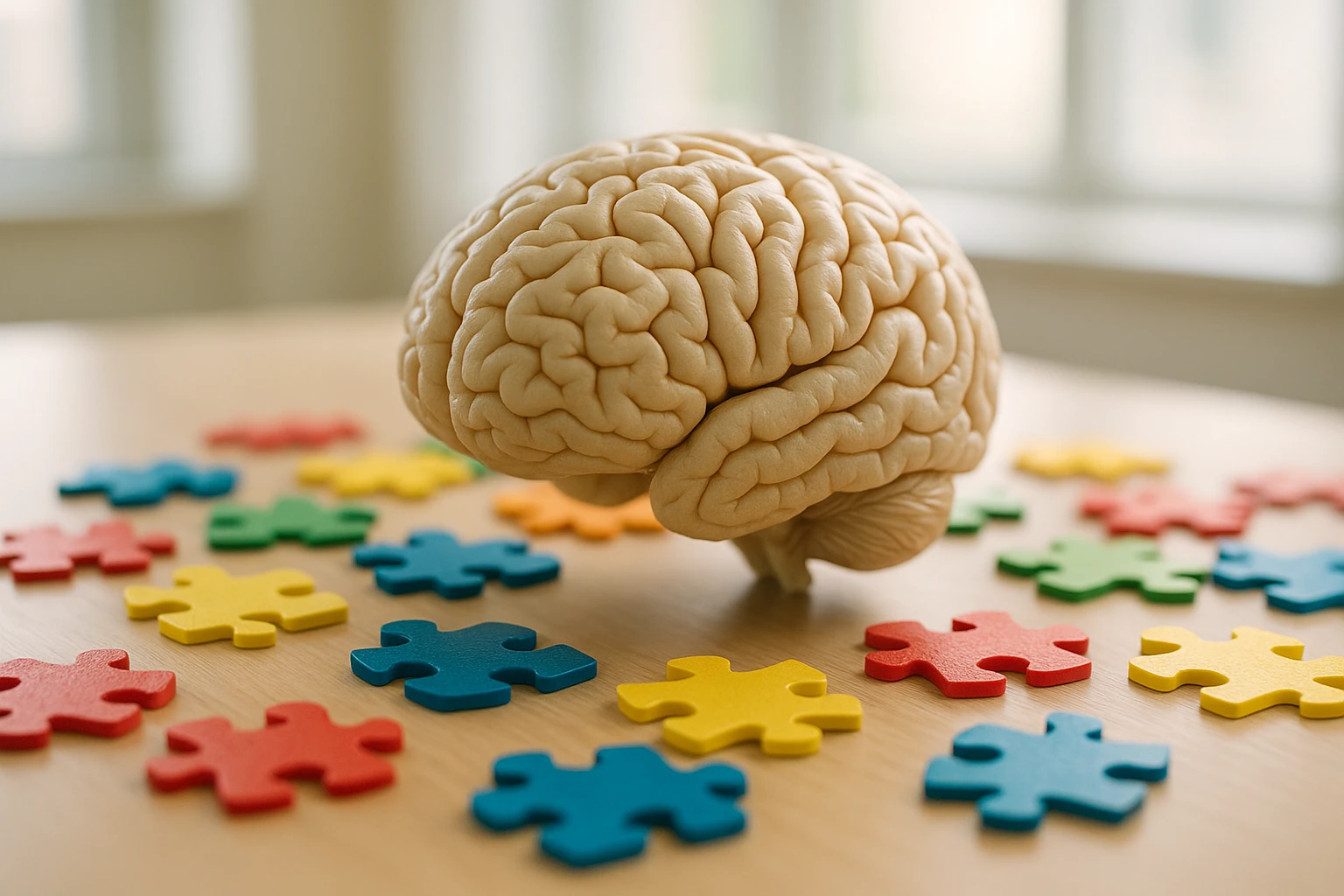
Mental health diagnostics have come a long way, but the journey towards effective and accessible mental health care is ongoing. With the rise of innovative diagnostic tools and a growing understanding of mental health disorders, there is hope for more personalized and effective treatment plans. This evolution is crucial not only for clinicians but also for patients seeking to understand their mental health better.
To truly improve mental health outcomes, integrating technology with traditional methods can be a game-changer. For example, the use of AI-driven diagnostics is gaining traction, allowing for more nuanced and swift assessments. According to a report by the National Institute of Mental Health, AI tools can significantly enhance diagnostic precision, leading to more tailored therapeutic approaches. Learn more about the role of AI in mental health.
The importance of informed and empathetic clinician-patient communication cannot be overstated. Clinicians must strive to stay informed about the latest advancements in mental health diagnostics. This ensures that they can provide the most up-to-date care possible. Continued education and training in emerging tools and technologies should be a priority for all mental health professionals.
For individuals navigating their mental health journeys, proactivity is key. Engaging with support networks, staying informed about one's condition, and seeking professional help as needed are imperative steps. Leveraging new diagnostic tools can empower individuals to advocate effectively for their health. For instance, mental health apps and online screenings offer preliminary insights, enabling individuals to seek timely professional interventions. More information on these resources can be found at MentalHealth.gov.
Ultimately, mental health diagnostics play a pivotal role in shaping an individual's treatment journey. As we continue to integrate new technologies and methods, it is crucial to maintain a balanced approach that values both innovation and empathy. Let us take actionable steps toward enhancing mental health care: support research, embrace new tools, and foster an environment where mental health is openly discussed and prioritized.